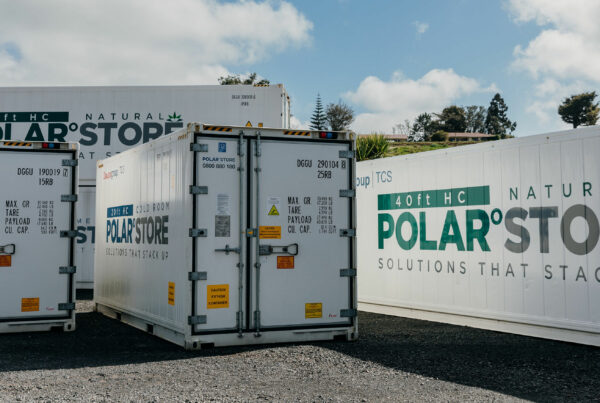
When businesses first start looking at cold storage, the focus usually lands on availability and price, because those are the easiest details to compare. What tends to surface later are the practical questions about power, site access, and whether the container itself suits the way the operation actually runs. These details rarely feel urgent at the enquiry stage, but they are often the reason deliveries get delayed or setups need adjusting once the unit arrives on site.
For many operators across the country, reefer container hire NZ becomes the most practical way to add chilled or frozen storage without locking into long term ownership. The key is knowing what needs to be in place before the container turns up, so it can start working properly from day one rather than becoming another problem to manage.
What a Reefer Container Needs to Work Properly
A reefer container is not just a sealed box that keeps things cold. It is a working system that relies on steady power, clear airflow, and enough space to operate without strain. When these conditions line up, the container runs quietly in the background and does exactly what it is meant to do. When they do not, issues tend to appear quickly, often during the busiest part of the operation.
This is why experienced suppliers spend time talking through site conditions and usage before confirming hire details, even when the container itself is readily available.
Power Supply Requirements and What to Check First
Power is usually the first constraint that catches people out. Reefer containers require a reliable electrical supply that matches the unit specifications, and not every site is set up for this by default. Some locations assume an existing outlet will be suitable, only to find that the supply is undersized or shared with other equipment that cannot be interrupted.
In New Zealand, power supply reefer NZ setups vary widely depending on whether the site is permanent, temporary, or seasonal. Processing facilities and distribution yards often have suitable connections already in place, while construction sites, pop up storage locations, and rural blocks may need additional planning. Generators can work in certain situations, but only when they are correctly sized and consistently maintained, otherwise temperature stability becomes difficult to manage.
Checking power capacity before delivery avoids last minute changes and keeps the container operating within its designed limits.
Site Preparation and Physical Access
Beyond power, the physical site itself plays a major role in how smoothly a reefer container performs. Ground conditions need to be level and firm enough to support the container when fully loaded, and access for delivery vehicles must be clear at the time of drop off. Tight yards, low clearances, or soft ground can all create complications that are easy to overlook when looking at an empty space.
Good site prep reefer container planning also considers airflow around the unit, as blocked vents or cramped placement can affect performance over time. Space for loading and unloading matters too, especially during busy periods when staff need to move quickly without working around obstacles.
These factors are less about compliance and more about day to day efficiency once the container is in use.
Choosing Specifications That Match Your Operation
Reefer containers are not one size fits all, even when the external dimensions look similar. Temperature range, internal layout, and door configuration all influence how well the unit supports the product being stored. A container holding frozen seafood has different demands than one storing fresh produce or pharmaceuticals, and those differences affect both setup and ongoing use.
The right specification is usually the one that fits the workflow rather than the one with the longest feature list. Loading frequency, monitoring needs, and access patterns all shape what works best in practice.
Why Hire Often Makes Sense
For many businesses, hiring offers flexibility that ownership does not. Seasonal demand, trial periods, and short term overflow storage all suit hire arrangements where equipment can scale up or down as needed. Maintenance responsibility stays with the supplier, and availability can be adjusted as conditions change.
This is why reefer container hire NZ remains a common choice for operators who need certainty without long term commitment, especially when site conditions or volumes may shift over time.
Issues That Appear After Delivery
When problems arise, they often trace back to early assumptions. Power supplies that trip under load, containers placed too close to other structures, or access points that slow down loading during peak times are all common examples. These are not faults with the container itself, but signs that the setup was not fully aligned with the way the site operates.
Suppliers who ask the right questions early tend to prevent these issues before they appear.
Working With a Supplier Who Plans Ahead
An experienced provider looks beyond the container and focuses on how it will be used once it is in place. Power checks, site discussions, and specification advice all reduce friction later on, particularly when timelines are tight or storage is business critical.
Dawson works with organisations across New Zealand to supply and support reefer container hire that fits real operating conditions, helping teams prepare their sites properly before delivery rather than reacting once the unit is already on the ground.
Final Thoughts
Hiring a reefer container works best when the basics are understood upfront. Power, site access, and specifications all play a role in whether the unit becomes a reliable part of the operation or an ongoing challenge. With the right preparation and the right advice, cold storage can be added smoothly and with confidence.
For businesses reviewing their cold storage needs, taking a moment to assess readiness before committing to hire often makes the difference between a quick solution and an avoidable delay.