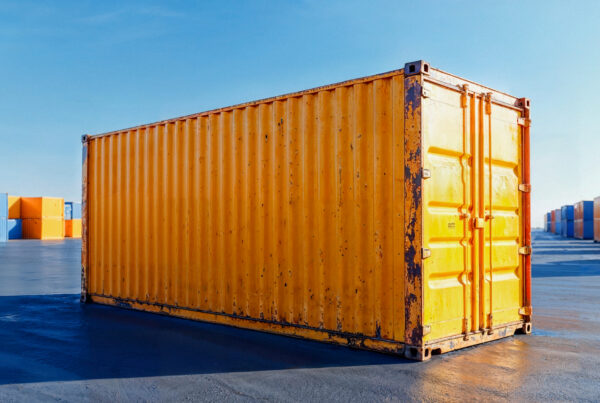
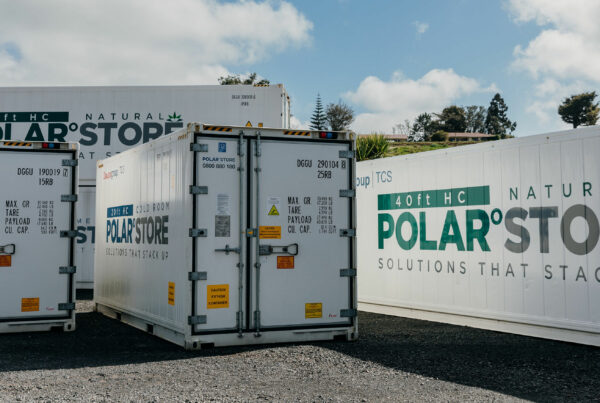
If your cold chain relies on older equipment, the question isn’t always “does it still work?” A better question is whether it’s still working well enough for today’s standards. Many New Zealand operators continue running older reefers because they haven’t failed outright. But performance, compliance, and cost don’t stay the same over time.
At Dawson Group TCS, we regularly help businesses review their cold storage and transport setups, not just when something breaks, but when it’s time to decide whether repair, upgrade, or replacement makes the most sense.
This guide looks at the real signs your existing units may be reaching their limits, how the reefer container lifecycle NZ typically plays out, and when upgrading becomes the smarter long-term move.
Understanding the Reefer Container Lifecycle in NZ
A reefer container doesn’t suddenly stop working one day. Its performance usually declines in stages. Early on, small inefficiencies appear. Later, those inefficiencies turn into operational risk.
In New Zealand conditions, the lifecycle of a reefer is influenced by more than age alone. Coastal exposure, salt air, long export routes, and frequent loading cycles all take their toll. Units that operate year-round, especially in food and export sectors, often reach the end of their practical lifecycle sooner than expected.
Understanding where your equipment sits in the reefer container lifecycle NZ helps you plan upgrades instead of reacting to failures.
Common Old Reefer Container Issues NZ Operators See
Most old reefer container issues NZ don’t show up as obvious faults at first. They creep in slowly.
Temperature control becomes less accurate. Units still hit the set point, but struggle to hold it consistently. Alarms trigger more often. Power consumption increases. Maintenance visits become more frequent, and spare parts take longer to source.
Individually, these issues seem manageable. Together, they increase downtime, raise operating costs, and make compliance harder to maintain.
Performance vs Compliance: Where Older Reefers Fall Short
Modern cold chain compliance relies heavily on accurate data. Temperature logs, alarms, and traceability are now standard expectations, not optional extras.
Older reefers often lack the monitoring capability needed to meet today’s MPI requirements and international standards such as HACCP, FDA, or WHO guidelines. Even if the cargo arrives in good condition, missing or unreliable data can result in rejected shipments or audit issues.
This is one of the most common reasons operators start reviewing old reefer container issues NZ across their fleets.
The Real Cost of Keeping Old Reefers Running
Repairing an ageing reefer can look cheaper on paper than replacing it. But that view often ignores hidden costs.
Older units typically use more energy, require more hands-on management, and create uncertainty around delivery schedules. When a container fails mid-journey, the cost isn’t just the repair. It’s the lost product, delayed customers, and pressure placed on staff to recover the situation.
Over time, these costs often exceed the investment needed to upgrade.
Repair, Refurbish, or Replace?
Not every older reefer needs immediate replacement. In some cases, targeted repairs or refurbishment can extend useful life. The key is knowing when those options still make sense.
If temperature stability is inconsistent, compliance gaps are growing, or downtime is becoming routine, replacement usually delivers better long-term value. This is especially true for operators moving high-value or tightly regulated cargo.
Decisions should always be based on performance data, operating demands, and where the unit sits in its lifecycle.
Why New Reefer Technology Changes the Equation
Modern reefers are designed with today’s cold chain pressures in mind. Improved insulation, more accurate sensors, real-time monitoring, and remote alerts reduce risk and manual oversight.
Energy efficiency has also improved significantly. Newer units often cost less to run while delivering tighter temperature control. For many operators, these gains alone justify upgrading once old reefer container issues NZ begin to affect daily operations.
Operational Signs It’s Time to Upgrade
There are a few clear indicators that replacement should be on the table. Frequent alarms. Increasing maintenance downtime. Difficulty meeting compliance reporting requirements. Growing reliance on manual checks to compensate for unreliable systems.
When managing the reefer becomes harder than managing the cargo, it’s usually time to rethink the setup.
What Upgrading Looks Like in Practice
Upgrading doesn’t always mean replacing an entire fleet overnight. Many New Zealand businesses take a staged approach, introducing newer units alongside existing ones or replacing equipment based on usage intensity and risk.
This allows operators to control costs while improving reliability where it matters most.
Choosing the Right Reefer Solution
The right replacement strategy depends on cargo type, transport routes, and seasonal demand. Some businesses benefit from ownership. Others prefer flexible hire options that align with peak periods.
Working with a provider who understands local conditions and the reefer container lifecycle NZ helps ensure the solution fits both operational and compliance needs.
Conclusion
Ageing reefers don’t usually fail without warning. They quietly introduce risk through declining performance, rising costs, and growing compliance pressure. Recognising old reefer container issues NZ early allows businesses to upgrade on their terms, rather than in response to failure.
At Dawson Group TCS, we help operators assess their current equipment, understand where it sits in its lifecycle, and plan upgrades that support reliability, compliance, and long-term efficiency.
If you’re unsure whether your existing reefers are still doing the job they need to, talk to the team at Dawson Group TCS. The right upgrade decision today can save a lot of cost and disruption tomorrow.