Transporting perishable goods is one of those jobs where there is absolutely no room for guesswork. If the temperature slips out of the ideal range, even for a short time, products can lose their quality, their safety, and ultimately their value. This is why the reefer container has become such a vital part of the supply chain in New Zealand and worldwide. Whether it is a shipment of freshly caught seafood heading from Nelson to Auckland, crates of kiwifruit leaving Tauranga for export, or medical supplies moving between hospitals, keeping cargo at the correct temperature is the difference between a product that arrives fresh and one that never makes it to the shelf.
At DawsonGroup, which stands for Temperature Control Service, we work every day to make sure reefer containers are doing exactly what they are designed to do. Our team knows that for most people in the transport or construction industries, the science behind refrigeration is not what they want to worry about. What matters is that their cargo stays in the right condition. That is why we explain things in plain language and help customers choose the right settings for their specific needs. If you are wondering what the ideal reefer temperature range is for the products you move, this guide will give you the answers, along with practical insights drawn from our local experience. And if you need advice that is specific to your operation, our team is always available to talk it through.
What is a Reefer Container?
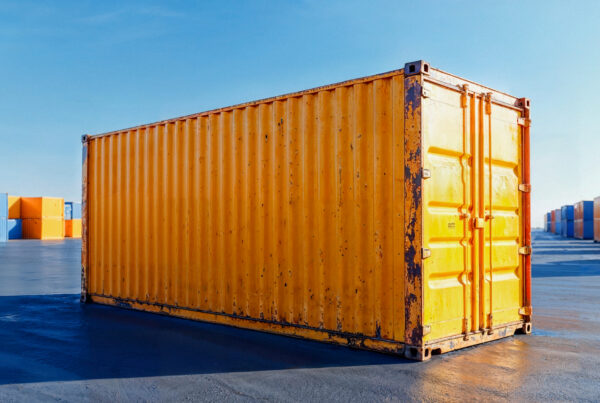
A reefer container, short for refrigerated container, is essentially a portable, high-tech fridge or freezer built to travel across roads, seas, and ports. These containers are not designed to chill warm goods down. Instead, they maintain a stable temperature for cargo that has already been pre-cooled. This distinction is important because loading warm produce or meat into a reefer will almost always lead to uneven cooling, condensation, and ultimately spoilage. The temperature range available in most reefers is broad, from around minus sixty-five degrees Celsius right up to about forty degrees. That flexibility makes them suitable for frozen goods, chilled fresh produce, delicate flowers, and pharmaceuticals that require precise climate conditions.
Reefers are the backbone of the cold chain. The cold chain refers to the unbroken series of storage and distribution activities that maintain a product within a specific temperature range from origin to destination. When it works properly, the cold chain keeps perishable goods safe, marketable, and compliant with health standards. When it fails, the results can be costly both financially and reputationally.
Why Temperature Control Matters
Every product has a sweet spot where it will last the longest and arrive in the best possible condition. Products like meat and seafood require precise reefer cold storage temperatures to slow bacterial growth and maintain freshness and texture. Fresh produce has narrower tolerances. Some fruits thrive at just above freezing, while others will suffer chilling injuries if kept too cold. Flowers wilt quickly if exposed to the wrong temperature, and pharmaceuticals such as vaccines have very strict regulatory requirements around temperature stability.
For exporters, getting this right is particularly important. A container of kiwifruit that is out of range by even a degree or two during a voyage from Tauranga to Shanghai can mean entire shipments are rejected on arrival. For domestic distributors, the stakes are no less serious. Supermarkets, restaurants, and hospitals expect products to arrive in prime condition. If they do not, the supplier risks losing valuable contracts. This is why understanding the correct reefer temperature range for each type of cargo is so important.
Common Temperature Ranges for Different Products
Let us consider the main categories like Frozen goods such as seafood, red meat, and poultry typically require settings between minus twenty and minus thirteen degrees Celsius. This ensures microbial growth is halted and quality is maintained over long journeys. Ultra-cold requirements exist as well. Certain pharmaceutical products must be kept at temperatures as low as minus seventy degrees, making specialised reefer setups necessary.
Chilled goods like fresh meat, dairy, and seafood that are not frozen usually need to sit between minus two and plus two degrees Celsius. This narrow range keeps them safe while preventing textural damage. Fresh produce has a wider variety of needs. Apples, pears, and kiwifruit often do best around zero to four degrees, while root vegetables such as carrots, potatoes, and onions are better at slightly warmer temperatures, generally between four and eight degrees. Flowers and plants require care too, with most fresh-cut flowers holding their shape and colour best at about two degrees. Pharmaceuticals are another critical category. Many vaccines and medicines must remain consistently between two and eight degrees to remain effective.
The specific numbers matter less than the principle. Every product has its own ideal range, and understanding those ranges is what allows shippers to deliver goods safely. At DawsonGroup TCS NZ we often remind customers that it is better to confirm the exact needs of your product rather than assume one setting fits all.
Best Practices for Maintaining the Cold Chain
Knowing the correct temperature range is only half the equation. The way goods are handled and monitored during transport is equally important. All cargo should be pre-cooled before loading. A reefer container is designed to hold a stable temperature, not to bring down the temperature of warm goods. Proper loading practices matter as well. Airflow inside the container is essential, which means goods must be stacked in a way that allows cool air to circulate around them.
Monitoring is another critical factor. Modern reefer containers come with systems that allow operators to track temperatures in real time and set both upper and lower control limits. This helps catch issues before they become major problems. Cleanliness plays a role too. A container that is not properly cleaned between loads can introduce odours or contaminants that spoil fresh cargo. Mixed loads, where different products share space in the same reefer, require extra care because not all items can tolerate the same conditions. Finally, ensuring a reliable power source, whether from a genset during transit or shore power at a port, is what keeps everything running smoothly.
Local Needs and Expertise
New Zealand has its own set of challenges and opportunities when it comes to temperature-controlled transport. Our economy relies heavily on exports of perishable goods like seafood, meat, dairy, fruit, and wine. Each of these products has its own ideal reefer container settings, and many are shipped over long distances where precision is vital. At DawsonGroup TCS NZ, we are familiar with the requirements of exporters in Napier, Marlborough, and Christchurch, as well as local distributors in Auckland and Wellington. That local knowledge is what allows us to tailor our advice and services to the specific needs of New Zealand businesses.
Conclusion
The reefer container might look like just another steel box on a truck or ship, but it is one of the most important tools in protecting the value of perishable goods. Understanding the right reefer temperature range for each product, and maintaining that range through good handling and monitoring practices, is what keeps the cold chain strong. Whether you are shipping fresh produce across the North Island or exporting pharmaceuticals overseas, getting the temperature right is the foundation of success.
At DawsonGroup TCS, we provide the knowledge, equipment, and local expertise to make sure your goods arrive in the condition your customers expect. If you need help setting up your reefer container for a specific product, or if you want the reassurance that comes from working with a trusted New Zealand provider, get in touch with our team today. We are here to keep your cargo safe, your cold chain secure, and your business moving forward with confidence.