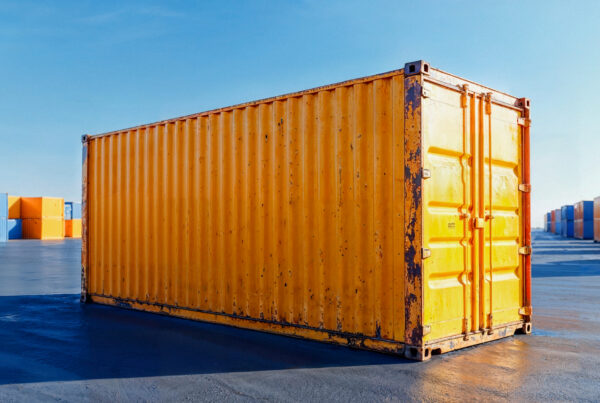
Every year, there’s that stretch where cold storage just isn’t enough. It could be harvest season, a bump in export orders, or just a backlog that throws the usual schedule out of sync. Whatever the reason, a lot of businesses find themselves stuck between not enough freezer space and no easy way to scale up, at least not without spending big or locking into long-term fixes.
This is where renting a blast freezer container starts to make real sense. It gives you extra capacity only when you need it, without the overheads or delays tied to permanent builds. You get commercial-grade freezing power, delivered to your site, and ready to go.
Why Cold Storage Gets Squeezed During Seasonal Highs
Even well-organised operations feel the pinch during peak times. The core systems, production, packaging, and dispatch all get pressure-tested, but it’s usually storage that runs out first.
Cold chain businesses in New Zealand deal with this regularly. Seafood processors are prepping for pre-Christmas freight. Fruit growers are at the height of the export season. Meat suppliers are balancing local demand with overseas orders. It doesn’t take much to hit the wall on capacity.
Building out permanent freezer space isn’t always an option. Not when you need something sorted in days, not months. That’s where seasonal cold storage via container-based units steps in as a straightforward, workable alternative.
What a Blast Freezer Container Actually Delivers
This isn’t just about stacking some boxes in a cool space. A blast freezer container drops product temperatures quickly, crucial for food safety, export compliance, and long-term quality.
You’re looking at units that can go as low as -40°C, with solid insulation and gear built for industrial use. Most are sized to slot into existing yard space and come kitted out with pallet-friendly access and adjustable racking if needed.
In short, it’s a proper temporary freezing unit. Not a workaround. Not a compromise. It does the job, and when the rush is over, it’s gone.
Rent, Don’t Rush
One of the biggest benefits? Speed. Most blast freezer containers can be delivered and plugged in quickly, without needing major setup. You avoid the delays of council consents, internal approvals, or contractor hold-ups. It’s a short-term fix that doesn’t cut corners.
You also avoid the bigger commitment that comes with purchasing units outright. Renting means you’re not stuck with gear that’s underused for most of the year. It’s flexible, scalable, and tied to your actual volume, not just your forecast.
A Handy Option Across Industries
Renting a blast freezer container isn’t just something the big exporters do. It’s actually pretty common across lots of industries, especially when things get busy, fast.
Small food producers, catering crews, third-party logistics teams, and even niche manufacturers all run into those times when their regular setup just isn’t enough. A rented unit helps take the heat off (literally) without having to overhaul your entire system.
You’ll often see them used for things like:
- Harvest or export season, when volumes spike for just a few weeks but need serious cold storage.
- Event prep, where loads of food need chilling before it gets moved or served.
- Unexpected breakdowns, because freezer rooms don’t exactly give you a heads-up before going down.
- Refits or renovations when your existing cold storage is out of action, but the work still needs to get done.
If you’ve ever had to scramble for freezer space at the last minute, you’ll know how quickly the pressure builds. A short-term blast freezer chiller range rental fills the gap, with no long-term strings attached.
Things to Sort Before You Book
Renting one of these units is usually straightforward, but there are a few practical things worth sorting out ahead of time. Nothing tricky, just the stuff that’ll save you time and hassle on delivery day.
- Power setup: Most units need a 3-phase power supply. Just double-check your site has the right connection, or if a generator might need to be arranged.
- Space to deliver and drop: These containers aren’t small. Make sure the truck can get in, turn around, and place the unit safely on level ground. If your site’s a bit tight or uneven, that’s worth flagging early.
- Inside layout: Some setups need shelving; some need clear space for forklifts. If there’s a specific way you work, bring it up before you rent, rather than trying to retrofit later.
- Temp tracking: If you’re working under any kind of compliance or food safety regulations, check if the unit has built-in temperature logging or remote monitoring. That kind of data is gold during audits.
A quick call or walk-through with DawsonGroup should cover most of this; no need to overthink it; just get clear on what’s going to work best for your site and your workflow.
Final Thought
Seasonal demand isn’t something you can avoid, but it is something you can plan around. If your business needs extra freezing capacity fast, renting a blast freezer container is a practical move that won’t overcomplicate things. It’s clean, quick, and doesn’t lock you in longer than necessary.
Need help finding the right reefer container size or spec? DawsonGroup’s team is happy to talk through options and timing; no pressure, just straight answers.