Temperature-controlled storage puts consistent pressure on New Zealand businesses, and most operators feel it the moment volumes shift or deadlines tighten. One month you may have just enough chilled space to get through the workload, and the next you could be scrambling to hold stock safely without letting quality slip. Some teams only need extra cold storage during certain seasons. Others rely on a controlled environment every week of the year and cannot afford disruptions.
This is where the decision between reefer container hire NZ and buying a unit becomes an important part of planning. It is a question Dawson hears regularly from customers who want to make the right call without overextending their budget or locking themselves into equipment that does not suit the way they work. The best option depends on how your business moves across the year, how steady your storage requirements are, and how much flexibility you want to keep as conditions change.
What a Reefer Container Actually Provides
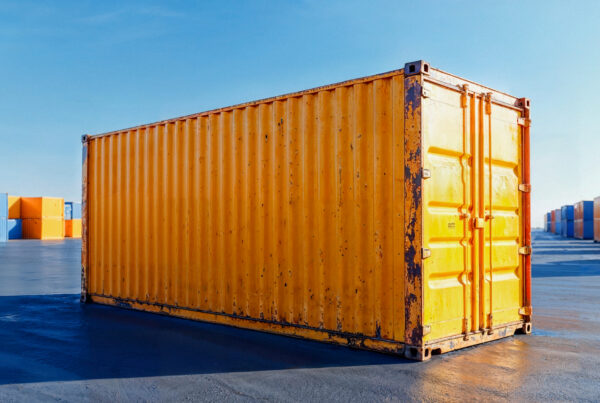
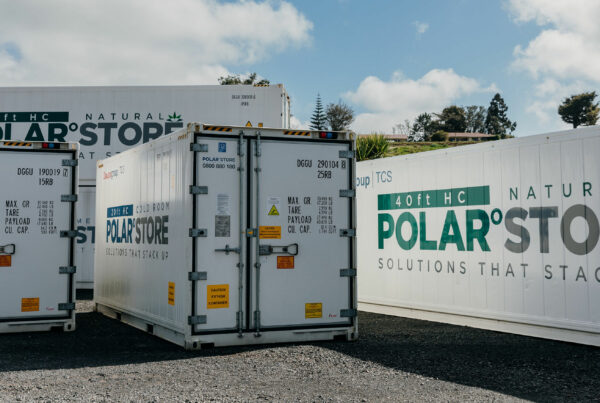
A reefer container gives you a controlled space that holds temperature accurately in all sorts of New Zealand conditions. It protects goods from sudden weather swings, keeps produce or product consistent, and operates reliably as long as it has a suitable power connection. For many operators, the benefit sits in how easily a container can be positioned, relocated, or integrated into an existing workflow.
Businesses exploring refrigerated container purchase NZ options often want something that works as both an extension of their current storage and a standalone unit they can depend on if primary systems run short. The combination of mobility, tight temperature control, and steady output is what makes reefers useful across farming, processing, seafood, horticulture, events, construction, and distribution.
When Reefer Container Hire Makes Sense
Hiring suits businesses whose storage needs rise and fall across the year. Fresh produce might be steady for a few months and then drop off. Marine and seafood operations often work around the weather and the catch. Event companies build around peak seasons, and construction crews bring in chilled storage only for certain materials.
When the requirement comes and goes, hiring avoids the cost of owning equipment that sits idle for long periods. The container arrives, runs for the time you need it, and leaves when the job is done. It is also a practical option for operators trialling new product lines or testing demand without committing capital before they have a clear sense of what their long-term volumes will look like.
Advantages of Hiring Over Buying
Hiring gives businesses predictable costs, which helps with weekly budgeting during busy seasons. Servicing and maintenance sit with Dawson, so you are not stopped by repair work or unexpected compliance checks. If the project changes direction, the container can be switched for a different size or picked up entirely so the business can adjust without delays.
When a cool room breaks down or when demand jumps without much warning, most operators need something they can put in place quickly so they do not lose product or fall behind schedule. Bringing in a hire container gives that breathing room because the unit can be delivered, plugged in, and brought to temperature without slowing the rest of the job. Many businesses rely on this option during busy periods because it fills the gap without forcing them into a long-term commitment. For companies dealing with short runs, seasonal peaks, or unpredictable storage needs, reefer container hire NZ ends up being one of the steadier ways to keep chilled space available when it matters.
When Purchasing a Reefer Container Is Better
Buying a unit tends to make more sense when chilled storage sits at the centre of your work rather than being something you bring in only now and then. Some operations run at a pace where chilled storage is needed every single day, and the work does not slow down just because the season changes. In places where processing, packing, or dispatch happens year round, managers often prefer equipment that stays put and remains available whenever they need it. Having their own reefer container on-site gives them that certainty because the unit is part of the daily setup, not something they have to book ahead or hope is free when the pressure builds.
Teams who decide to buy reefer container NZ units generally want more control over how the container is fitted out. They might need shelving arranged a certain way, monitoring systems matched to their compliance needs, or internal layouts that support ongoing production. Once the reefer is in place, it stays there, and the business builds its workflow around equipment it knows will be available every time it is required. For long-term operations, that level of certainty can make planning much easier.
Advantages of Purchasing
Owning your own reefer container spreads the cost across years of use instead of pushing it into short bursts, and that helps businesses that rely on chilled storage day in and day out. There is no need to check availability when things get busy, and no rental commitments that rise or fall with demand. The team can maintain the unit on their own schedule and shape the workflow around equipment that does not leave the site.
Another advantage is the value the container holds. New Zealand’s market for quality refrigerated units is tight, so a well-kept reefer retains strong resale appeal. For businesses that know chilled storage will always be part of their operation, ownership turns the container into a long-term asset rather than a repeating seasonal cost. It also opens the door to practical modifications that help with product handling and workplace efficiency, something that is not always possible with short-term hire units.
Cost Considerations: Hire vs Buy
The decision comes down to how long you expect to use the reefer, how much flexibility you need, and the role chilled storage plays in your operation. Short-term or seasonal use often leans toward hiring because it avoids tying up capital. Long-term predictable use leans toward purchasing because the container stays in service for many years and becomes cost effective over time.
Transport, maintenance, power access, and operational patterns all influence the final cost. The safest approach is to look at your full storage pattern across the year rather than focusing on a single season. Businesses with unpredictable volumes often benefit from hire. Businesses with stable growth and fixed sites usually gain more from ownership.
Operational Factors NZ Businesses Should Think About
New Zealand’s environment shapes this decision more than people expect. Coastal sites expose equipment to salt air, which means operators may prefer hire if they change locations often. Rural or temporary sites may have limited power, so the number of units that can run at once must be considered. Some teams rotate through several yards during a season, while others work from one facility all year.
These patterns make a real difference. A company that shifts locations might prefer the flexibility of hire, while a stable processing site benefits from a permanent unit that becomes part of the daily operation. The right choice always depends on how the business works in practice.
Choosing the Right Temperature Range and Size
Different industries demand different temperature ranges. Frozen goods, chilled produce, pharmaceuticals, wine, beverages, and construction materials each have their own requirements. The choice between 10ft, 20ft, and 40ft units depends on how much stock needs to be held and how the site manages movement around the container.
Dawson supports operators by matching unit size, temperature stability, and layout to the way they work, keeping the focus on reliability rather than unnecessary features.
A Simple Way to Decide
A clear decision usually comes from looking at how long you expect to use the container, whether flexibility matters, how predictable your volumes are, and how much capital you are comfortable tying up. If your storage needs come in waves or change from month to month, hiring will give you freedom and fewer commitments. If cold storage sits at the centre of your operation and you expect consistent use, buying gives you long-term certainty and better value.
Closing Thoughts
Both hiring and purchasing can work well when matched to the right workload. If you are weighing up your options, the Dawson team can talk through your storage pattern, your site requirements, and the way your operation moves through the year. With that clarity, it becomes easier to choose a reefer solution that supports your work instead of adding pressure to it.